
Last updated October 30, 2026
 Wrought iron
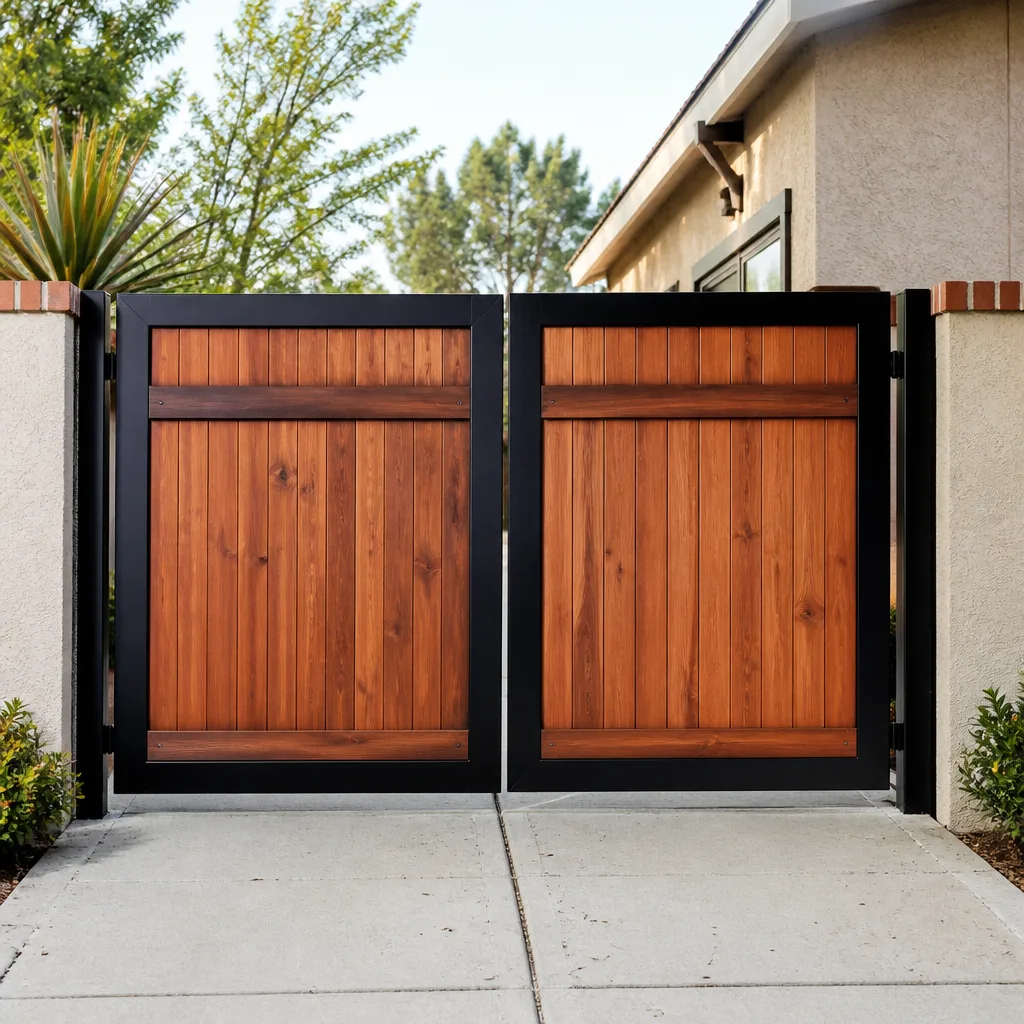 Wood & steel frame
 Farm & ranch
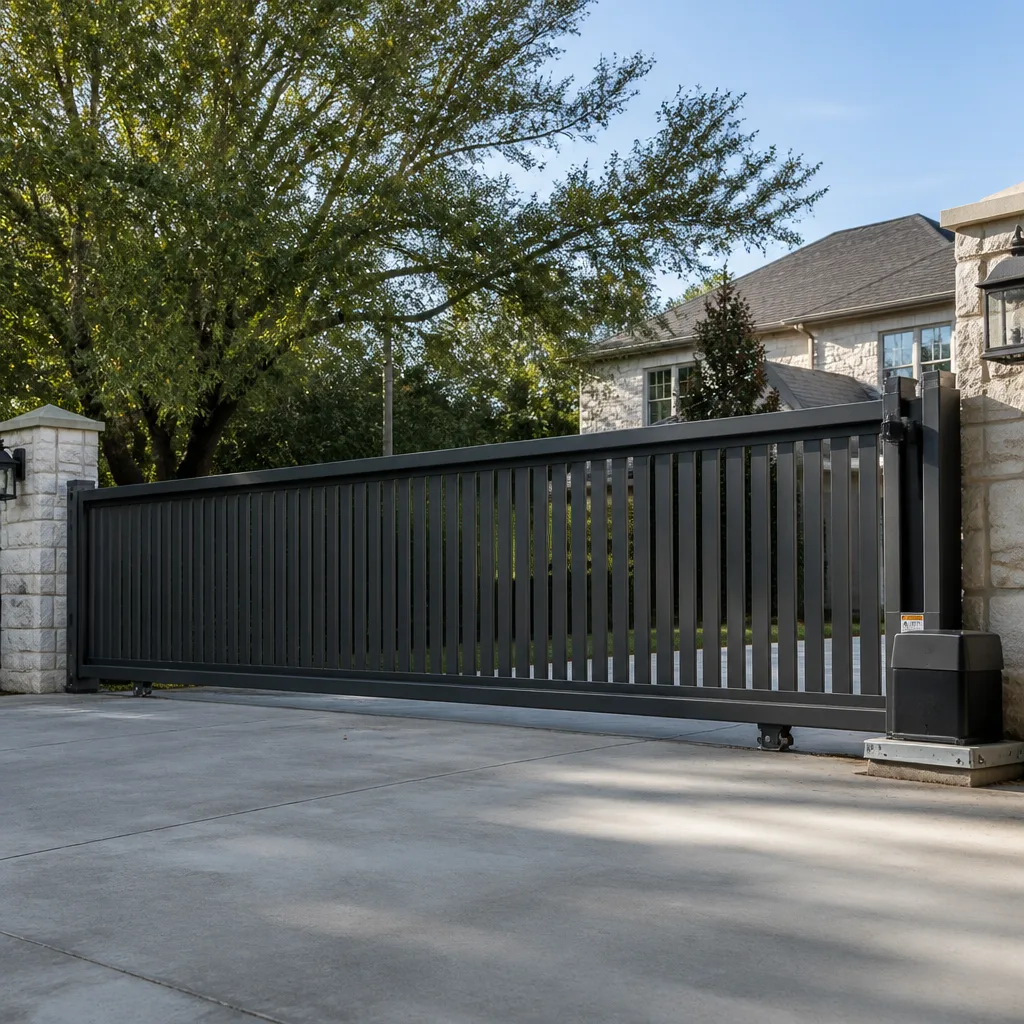 Sliding driveway gates
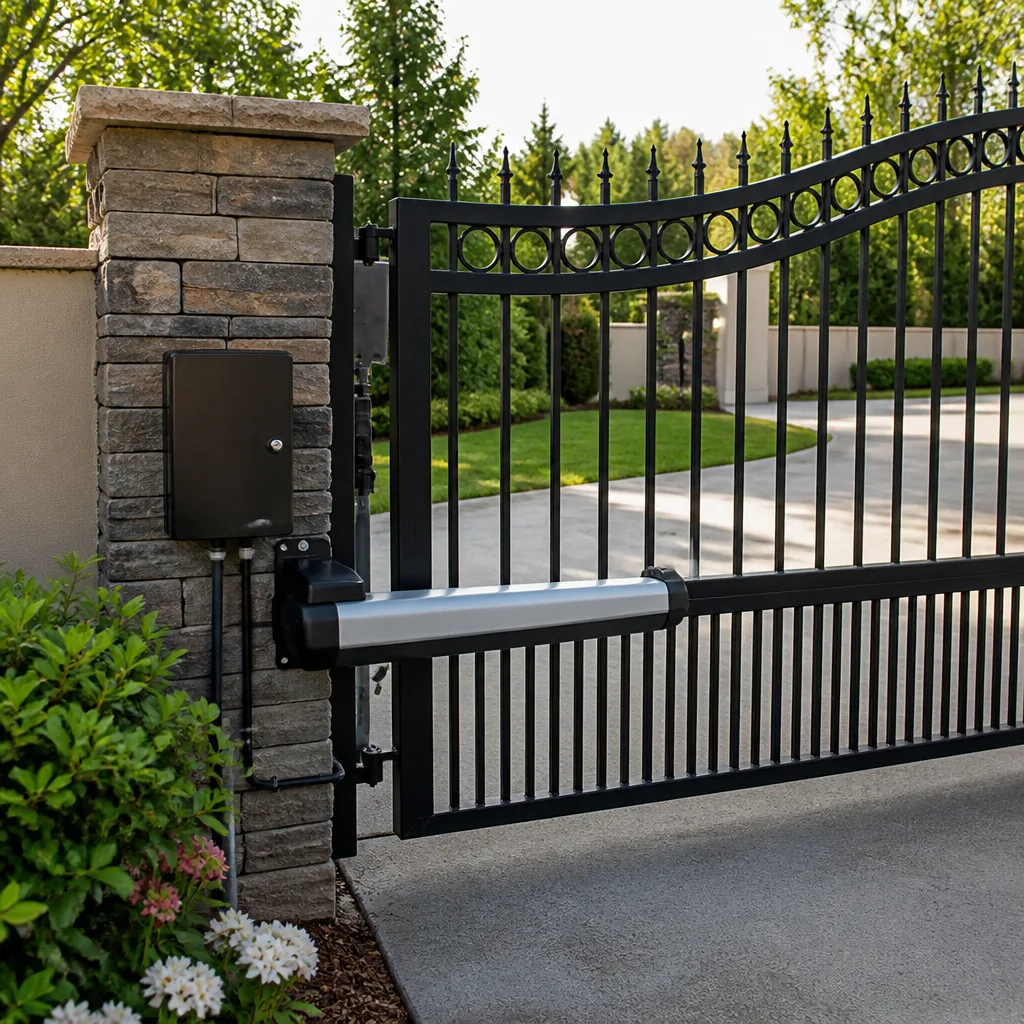 LiftMaster operators
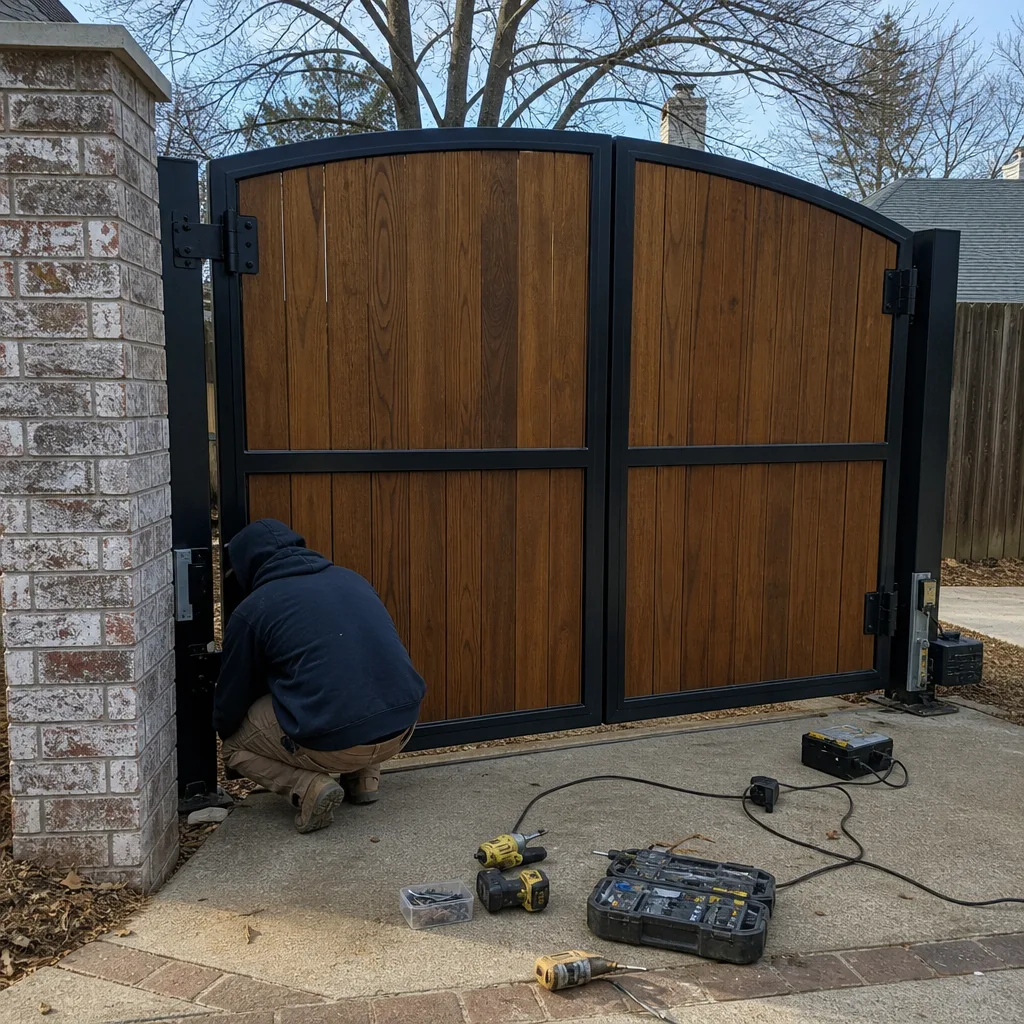
Free on-site gate assessment - hinges, posts, and your LiftMaster or Nice gate operator checked before anything is quoted
The assessment is free and the quote is the invoice.
Get your free estimateGate Repair Emergency Preparedness Guide for DeSoto Homes
When a gate fails during a DeSoto thunderstorm or right as you’re leaving for work, the clock starts ticking immediately. Most homeowners lose four to five minutes just locating the manual release key, let alone remembering how their specific operator disengages. A gate stuck open after a power failure isn’t an inconvenience. It’s an open perimeter. This guide walks through building an emergency response plan before the failure happens, covering manual release documentation, power outage protocol, storm preparation, and the triage decisions that determine whether you’re calling our Gate Repair services at midnight or waiting until morning.
Styles & brands we work with
Quick Answer
Emergency gate preparedness for DeSoto homes comes down to three things: knowing your manual release before you need it, testing your battery backup monthly during storm season, and having a written operator model and failure description ready before you call for service. Homeowners who document these details now can resolve most gate emergencies hours faster than those who wait until the gate fails—see Gate Repair Maintenance Checklist for DeSoto Homeowners for a step-by-step template.
Table of Contents
- Locating and Testing Your Manual Release Before an Emergency
- Power Outage Protocol: Battery Backup and Controlled Positioning
- DeSoto Storm Season Checklist: What to Lock Down and What to Leave Open
- Midnight Triage: What Can Wait Until Morning vs. What Needs an After-Hours Call
- What to Have Ready Before Calling an Emergency Gate Technician
- DIY Workarounds vs. Professional Repair: Where the Line Is
- Common Mistakes to Avoid
- When to Call a Professional
- Frequently Asked Questions
- The Bottom Line
Locating and Testing Your Manual Release Before an Emergency
Your gate’s manual release is the most important component you’ve probably never thought about. Every automatic gate operator includes a mechanism to disengage the motor so the gate can be moved by hand. The catch is that the release design varies significantly between brands. A LiftMaster slide operator typically uses a pull chain or lever near the motor housing. A FAAC swing operator often has a keyed release cylinder mounted on the operator itself. BFT systems frequently use a manual release key that inserts into a small access port. Viking operators for heavy slide gates may incorporate a crank handle rather than a simple lever. Linear and Mighty Mule residential operators usually have a pull-pin or a release cord. If you don’t know which one you have, you’re not alone, but you’re also not prepared.
Here’s the process we recommend for every DeSoto homeowner with an automatic gate:
- Locate the operator housing. For slide gates, the operator sits near the gate’s parked position. For swing gates, it’s mounted on the gate post or a nearby pedestal.
- Identify the release mechanism. Look for a pull chain, a keyed cylinder, a pull-pin, or a lever. If you see a small keyhole, the manufacturer shipped a release key with the system. Find that key now, not at 11 p.m. during a storm.
- Test the release once with the gate in the closed position. Disengage the operator and push the gate manually. It should move with moderate effort. If it doesn’t, the gate hardware itself may have an issue beyond the operator.
- Re-engage the operator. Some systems re-engage automatically on the next motor cycle. Others require you to physically reset the release. Watch how yours behaves and write it down.
- Document everything. Take a photo of the release mechanism and the operator model plate. Store both in your phone’s notes with a short description of how the release works on your specific system.
This is where brand familiarity pays off. Technicians who work on multiple gate brands every week can identify a release mechanism in seconds. A homeowner seeing it for the first time in the dark may not. The documentation step eliminates that gap.
Power Outage Protocol: Battery Backup and Controlled Positioning
DeSoto sits in a region where severe thunderstorms can knock out power for hours, and occasional ice storms or tornado events can extend that timeline significantly. When the grid goes down, your gate’s behavior depends entirely on whether it has a battery backup and whether that battery is healthy. Most residential gate operators don’t include battery backup by default. It’s an add-on installed at the time of gate installation or retrofitted later. If you’re not sure whether your system has one, check the operator housing for a sealed lead-acid or lithium battery pack.
Battery backup systems for gates typically provide between 10 and 40 open-and-close cycles on a full charge, depending on the operator type and gate weight. Heavier slide gates drain batteries faster than lighter swing gates. The testing schedule we recommend for DeSoto homeowners is monthly during severe weather season, which runs from March through June here, and again in the fall when the secondary storm window opens in October and November.
Testing is straightforward:
- Turn off the circuit breaker for the gate operator. This simulates a grid failure.
- Cycle the gate open and closed once using the normal remote or keypad. Listen for strain in the motor. A struggling motor under battery power means the battery is weakening.
- Cycle it a second time. If the gate slows noticeably on the second cycle, the battery may be near the end of its service life. Lead-acid batteries in gate operators typically last three to five years in Texas heat. Lithium batteries last longer but cost more upfront.
- Restore power at the breaker. Confirm the operator returns to AC power mode.
If your gate has no battery backup, or the battery is depleted when the power fails, you’ll need to use the manual release. Here’s where positioning matters. A gate left open during a power outage is an invitation. A gate left closed is secure but blocks vehicle access until power returns or you release it manually. In our experience with DeSoto properties, the controlled position is usually closed and manually released only when a vehicle needs to move.
If you need to hold a gate in a specific position during an extended outage, don’t improvise with ropes or bungee cords. Swing gates can be chained to the fixed post using a padlock through the gate frame. Slide gates can often be secured with a chain through the gate and the end post. The manual release should always be disengaged before you attempt to secure the gate this way, so the motor can’t fight against your chain when power returns.
DeSoto Storm Season Checklist: What to Lock Down and What to Leave Open
DeSoto’s severe weather profile is more active than many homeowners realize. The city sits within the southern edge of Tornado Alley, and severe thunderstorm watches are a regular feature of spring in Dallas County. Wind gusts during these events can reach 60 to 70 miles per hour even without a tornado, which is more than enough to damage an automatic gate that’s been left in a vulnerable position. The goal of pre-storm preparation is simple: prevent storm damage from creating a security breach.
Here’s the checklist to run through when a severe weather watch is issued for DeSoto:
- Close the gate fully. A gate left half-open acts like a wind sail. It catches gusts at bad angles and transmits that force through the gate hardware, the track, and the operator. Closed, the gate presents a smaller wind profile and is better supported at both ends.
- Confirm the operator is locked. For swing gates, engage any mechanical lock if present. For slide gates, confirm the gate has fully seated in the end catch.
- Check the battery backup status indicator. Many operators have an LED or display showing backup battery health. If the battery is weak, plan around a potential power failure now, not later.
- Clear debris from the gate track. Slide gates are particularly vulnerable to leaves, branches, and gravel washing into the track during heavy rain. A blocked track can cause the operator to overload and trip a breaker or burn a fuse.
- Secure loose yard items. Trash cans, patio furniture, and garden tools become wind-blown projectiles in storm-force gusts. Anything that strikes the gate or the operator can cause damage that leaves the gate inoperable.
- Program a temporary access plan. If the storm is severe and power failure seems likely, decide now whether the gate should stay closed and manually released as needed, or left open for emergency vehicle access. The answer depends on your specific property and family situation.
After the storm passes, do a quick visual inspection before cycling the gate: check for debris in the track, look for bent gate panels or posts, and listen for unusual noise from the operator on the first cycle. If anything sounds off, stop using the gate and call for service. Cycling a damaged gate can turn a minor repair into an operator replacement.
Midnight Triage: What Can Wait Until Morning vs. What Needs an After-Hours Call
Not every gate problem is an emergency, and knowing the difference saves money. After-hours service calls carry premium rates for good reason. The decision tree below is the one we walk DeSoto homeowners through when they call us at odd hours. It separates true security emergencies from inconveniences that can safely wait for regular business hours.
Call immediately if the gate fails and:
- The gate is stuck open and the property needs to be secured. This is the clearest emergency case. An open gate at night is a standing invitation to unauthorized vehicles and pedestrians. If the manual release doesn’t let you close and secure the gate, you need help now.
- The gate is stuck closed and blocks the only vehicle exit. This matters most for properties where emergency vehicle access is required or where a family member has a medical condition that could require urgent transport.
- The operator is making smoke, burning smells, or tripping breakers repeatedly. This indicates an electrical fault that could worsen or create a fire hazard.
- The gate has been struck by a vehicle and is partially in the roadway. In DeSoto, a gate obstructing a public right-of-way creates liability for the property owner.
It can usually wait until the next business day if:
- The gate opens but won’t close automatically. If you can hold the gate closed manually or use the close function on the keypad while watching it, this can wait. Just secure the gate before leaving the property.
- One remote stopped working but the keypad and interior controls still function. Remote programming issues are rarely urgent.
- The gate operates but makes a grinding or squeaking noise. This suggests a hardware issue that needs attention, but the gate still functions. Schedule service and avoid heavy use in the meantime.
- The auto-close feature has stopped working. Manually close the gate and call during regular hours. The gate itself still functions.
The principle behind this triage is simple: security gaps get immediate attention. Convenience issues get scheduled attention. If you’re genuinely unsure which category your situation falls into, calling for advice costs nothing. A knowledgeable technician can often walk you through a quick diagnosis over the phone.
What to Have Ready Before Calling an Emergency Gate Technician
When a technician arrives at your DeSoto property at 10 p.m., the difference between a thirty-minute repair and a two-hour diagnostic session is information. The more you provide before the call, the better the technician can prepare. Here’s what we ask for on emergency calls, and what you should document now so you have it ready:
- Operator brand and model number. The model plate is usually on the operator housing or the control box. If you recorded this during the manual release documentation step, you’re ahead of 90% of homeowners. Knowing whether we’re dealing with a FAAC swing operator or a BFT slide unit tells us which parts are likely needed and which failure modes are most common.
- A precise description of the failure behavior. “The gate won’t open” is less useful than “the gate opens three inches, stops, and the operator beeps twice.” Specific behavior narrows the diagnosis significantly. Does the motor hum but the gate doesn’t move? Does the gate open but fail to close? Does the remote light up but nothing happens? These details matter.
- Access to the operator control panel. The technician will need to open the control box. Know where it is and whether it requires a special key. If the access is behind a locked gate, have that key ready too.
- Recent changes or unusual events. Was there a power surge during the last storm? Did the gate get hit by a delivery truck? Did you recently change the keypad code or add a new remote? Even seemingly unrelated changes can be diagnostically relevant.
- Photos. If you can safely photograph the operator, the control panel, and any visible damage, send them. Visual information helps technicians arrive with the right parts on the truck.
We work on virtually every major gate brand including yours, but no technician carries every part for every operator model. The information you provide determines whether the first visit is also the last visit. Brand-agnostic diagnostics mean we troubleshoot the actual problem rather than defaulting to a full replacement, but that process moves faster with better information.
DIY Workarounds vs. Professional Repair: Where the Line Is
There are things a homeowner should do during a gate emergency, and things a homeowner should absolutely not do. The line is drawn by two factors: safety and the risk of making the problem worse. Here’s the practical breakdown for DeSoto homeowners.
Safe and recommended DIY actions:
- Using the manual release to move the gate by hand
- Securing a gate in a controlled position with chains and padlocks after disengaging the operator
- Clearing debris from a slide gate track after disengaging power at the breaker
- Documenting the operator model and failure behavior before calling for service
- Checking and resetting a tripped circuit breaker once, if the breaker is clearly labeled for the gate
Actions that require a professional:
- Any work inside the operator housing or control panel while power is connected. Gate operators contain capacitors that store charge even after the breaker is off. The discharge from a capacitor can be severe enough to cause injury.
- Adjusting gate travel limits. Setting the open and close limits incorrectly can cause the gate to overtravel, damaging the operator, the gate frame, or both.
- Repairing or replacing springs, chains, or racks under tension. A slide gate chain under tension stores significant energy. Releasing it improperly can cause serious injury.
- Reprogramming or replacing logic boards. Modern gate control boards are sensitive to static discharge, and incorrect wiring can fry a board that would otherwise have been repairable.
- Anything involving the gate’s safety sensors. Photo eye alignment, loop detector settings, and edge sensor calibration are precise adjustments that affect whether the gate stops safely when obstructed.
The core safety message here is serious: automatic gates are powerful machines. A gate weighing hundreds of pounds moving under motor power carries enough force to cause catastrophic injury if it closes on a person. Safety sensor work, in particular, should never be treated as a homeowner task. When in doubt, call someone who does this every day.
Common Mistakes to Avoid
- Not knowing where the manual release key is. The release key that came with your FAAC or BFT operator has a way of disappearing into a junk drawer and never coming back. Find it now. Tape it to the inside of the control panel cover or hang it on a hook near the gate.
- Testing the manual release for the first time during an actual emergency. The first time you operate the release should not be at 2 a.m. during a power outage. Test it quarterly. The mechanism can seize if never exercised, especially in the humidity and temperature swings common in DeSoto.
- Assuming battery backup means indefinite operation. Battery backup is rated in cycles, not hours. A gate that cycles 20 times during a family event may exhaust a battery that would otherwise last through a brief outage.
- Cycling a damaged gate to “see if it still works.” After a storm or a vehicle strike, the worst thing you can do is run the gate through a full cycle. If the gate is bent, misaligned, or obstructed, the operator will strain against the obstruction and can burn out a motor or strip a gear.
- Calling the installer instead of a gate specialist. The company that installed your gate may be a fencing contractor who subcontracted the automation. A gate specialist who works on operators from Linear, Viking, Ghost Controls, and the other major brands can often diagnose problems more efficiently on emergency calls.
- Leaving the gate open “for the repair guy” without a plan. An open gate while you’re waiting for service is a security gap. Use the manual release to close and chain the gate, then coordinate with the technician for access when they arrive.
- Ignoring warning signs before the failure. Most gate emergencies don’t happen without warning. Slowing operation, unusual noises, intermittent remote failures, and auto-close glitches all precede the full failure. Addressing these issues during regular business hours often prevents the midnight emergency entirely.
When to Call a Professional
If your gate is stuck open and you can’t secure it with the manual release, call a professional. If your gate is stuck closed and blocks your only vehicle exit, call a professional. If the operator is making burning smells, tripping breakers, or making grinding noises that suggest internal damage, call a professional. If your safety sensors have been knocked out of alignment and the gate closes on obstructions, call a professional immediately. Any of these situations means the problem has moved beyond what a homeowner should attempt. Gate repair in DeSoto from a brand-agnostic shop means the technician diagnoses the actual failure rather than defaulting to a system replacement. Electric gate repair in DeSoto covers the operator, sensors, logic board, and access control components, not just mechanical hardware. If your system has reached the end of its service life, gate installation in DeSoto is a measured process with a free estimate and a written price. Bastion Gate Repair offers free estimates in DeSoto. Call (866) 321-6117.
Frequently Asked Questions
Emergency gate repair in DeSoto typically runs $150 to $350 for the after-hours service call plus parts and labor, with total costs depending on the operator brand, the failed component, and whether the repair happens during regular hours or after hours. That range covers the premium charged for emergency dispatch in the Dallas County market. Parts for common failures like remote receiver boards or limit switches add $40 to $300 depending on the brand. Exact pricing is always quoted and agreed before work starts. Call (866) 321-6117 for a free estimate on your specific gate system.
Bastion Gate Repair handles emergency calls in DeSoto, and after-hours service is available for situations where a gate is stuck open, stuck closed blocking access, or creating a safety hazard. Real emergencies are prioritized. If you’re calling during regular business hours with a non-emergency issue, the next available scheduling window typically gets you service the same week. Call (866) 321-6117 to describe the failure and get an honest read on whether your problem needs immediate attention.
First, close and secure the gate using the manual release, then decide whether you need to hold it in a specific position for the duration of the outage. If you have battery backup, test it with a single open-close cycle to confirm it works, but avoid unnecessary cycling to preserve the battery. Secure swing gates with a padlock through the frame and slide gates with a chain through the gate and end post after the operator is disengaged. If the gate won’t close manually, the problem may be mechanical rather than electrical, and that warrants a service call.
Yes. Bastion Gate Repair services gate equipment from nine major brands, including FAAC, BFT, Viking, Linear, LiftMaster, Ghost Controls, DoorKing, Elite, and Mighty Mule. The team carries familiarity with the quirks and common failure modes of each brand, which means faster diagnosis for specific operator issues. Certified familiarity covers both residential and commercial-grade systems across all three service categories: gate repair, electric gate repair, and gate installation.
Intermittent gate operation usually points to one of three causes: a failing capacitor or relay in the operator, a sensor or loop detector that’s drifting out of alignment, or a remote transmitter losing signal strength due to battery or antenna issues. In DeSoto’s summer heat, capacitor failures in gate operators are more common because sustained high temperatures accelerate component aging inside the housing. The most reliable fix is a diagnostic visit that tests the system under load rather than in a static state. Bastion’s approach is brand-agnostic troubleshooting that identifies the actual component failure before recommending repair or replacement.
A full gate installation includes the gate frame and hardware, the operator matched to the gate’s weight and duty cycle, safety sensors such as photo eyes and edge sensors, the power run from your electrical panel or an existing outdoor circuit, and access control components like keypads, remotes, or intercom systems. Installation also includes programming the open and close limits and testing the obstruction reversal system. The process starts with a free measure and a written price before any work is scheduled. Call (866) 321-6117 to schedule a free estimate.
The Bottom Line
Gate emergencies in DeSoto are predictable in their causes and manageable in their consequences when preparation happens before the failure. Document your manual release and operator model now. Test your battery backup monthly during storm season. Run through the severe weather checklist when a watch is issued rather than waiting for the warning. Choose your triage category honestly at midnight, and have the failure details ready before you make the call. The difference between a thirty-minute repair and a two-day security gap is almost always preparation. Bastion Gate Repair offers free estimates in DeSoto. Call (866) 321-6117.
Written by the team at Bastion Gate Repair, serving DeSoto since 2012. Explore more guides & resources for gate owners.
See the difference
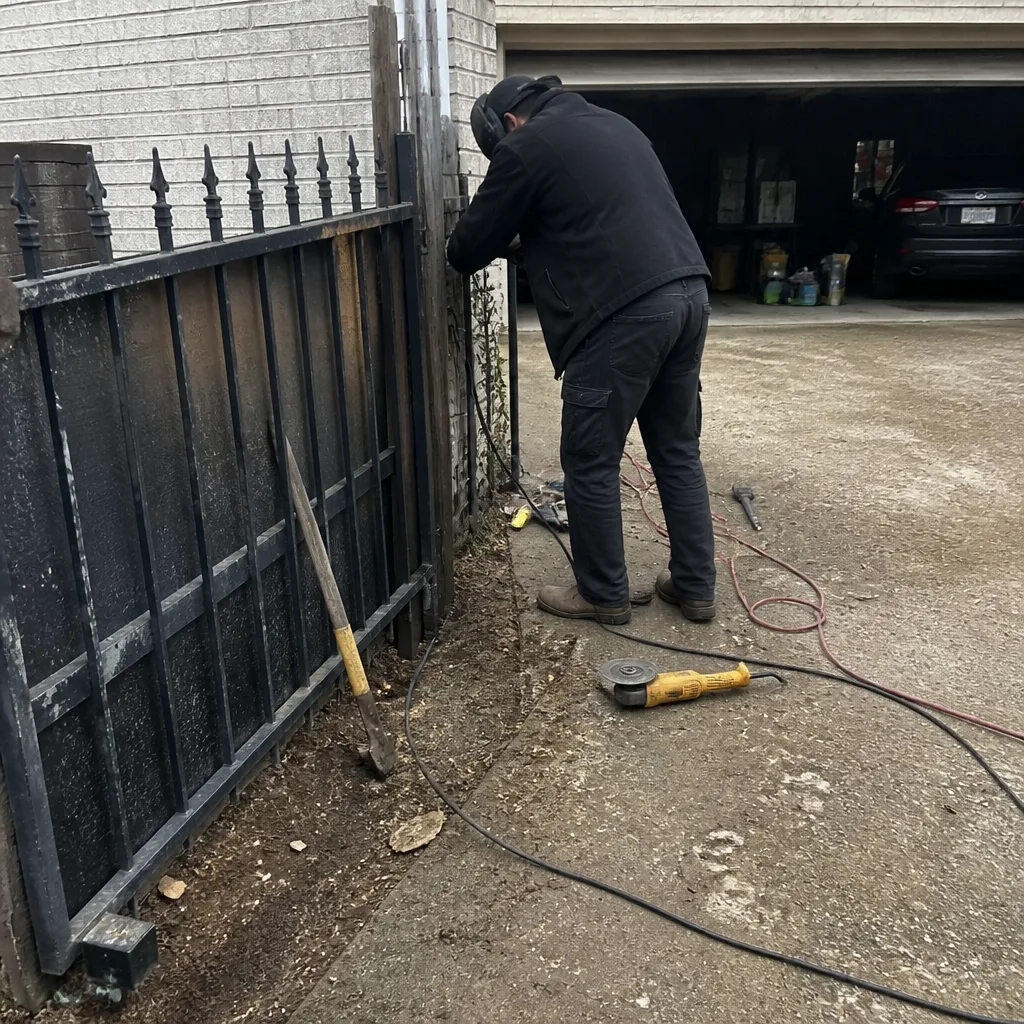 Before
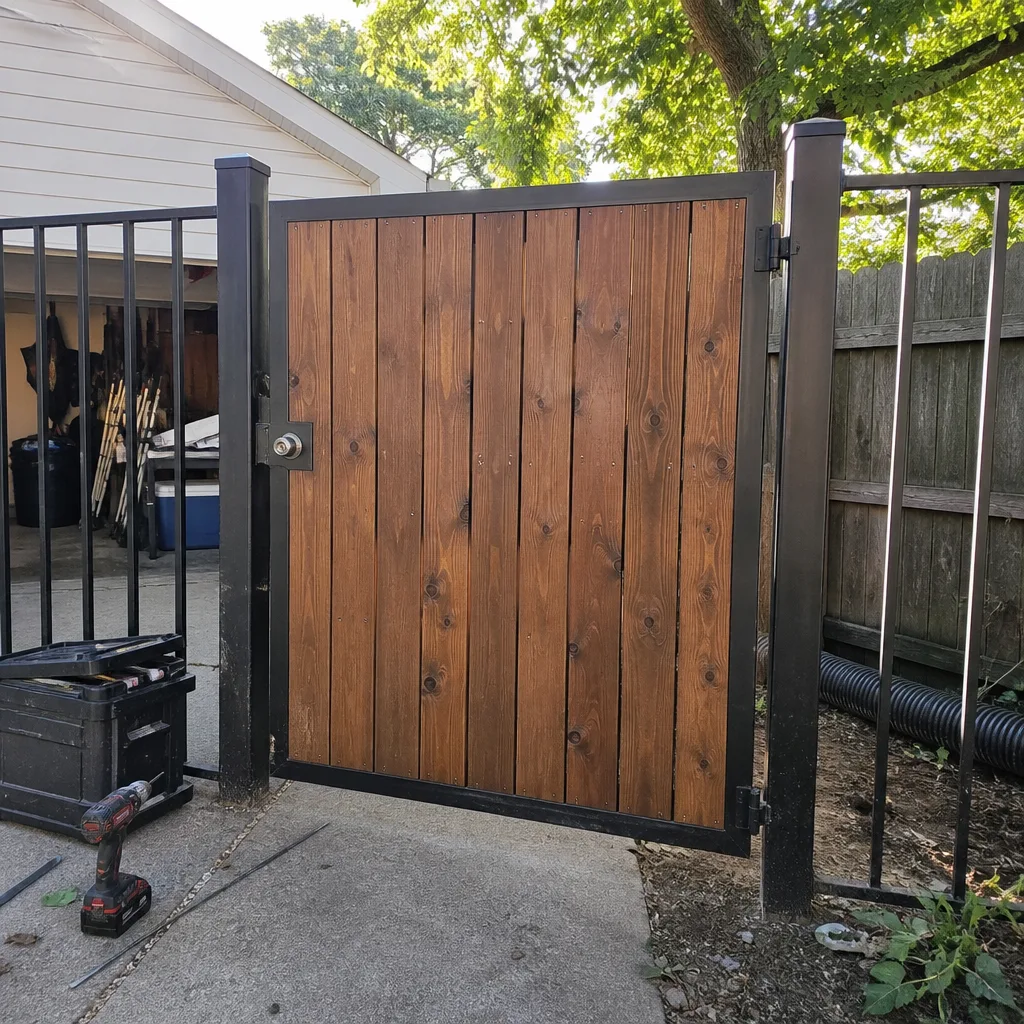 After
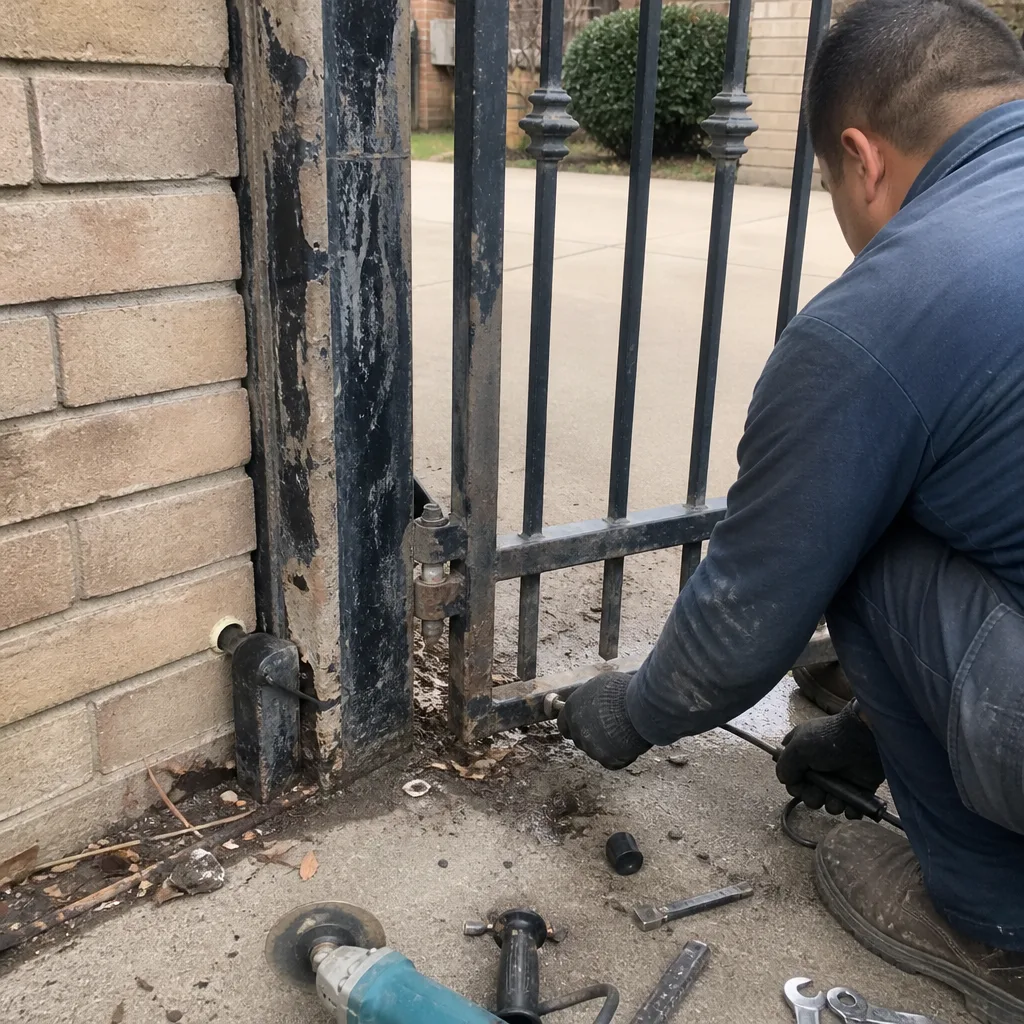 Before
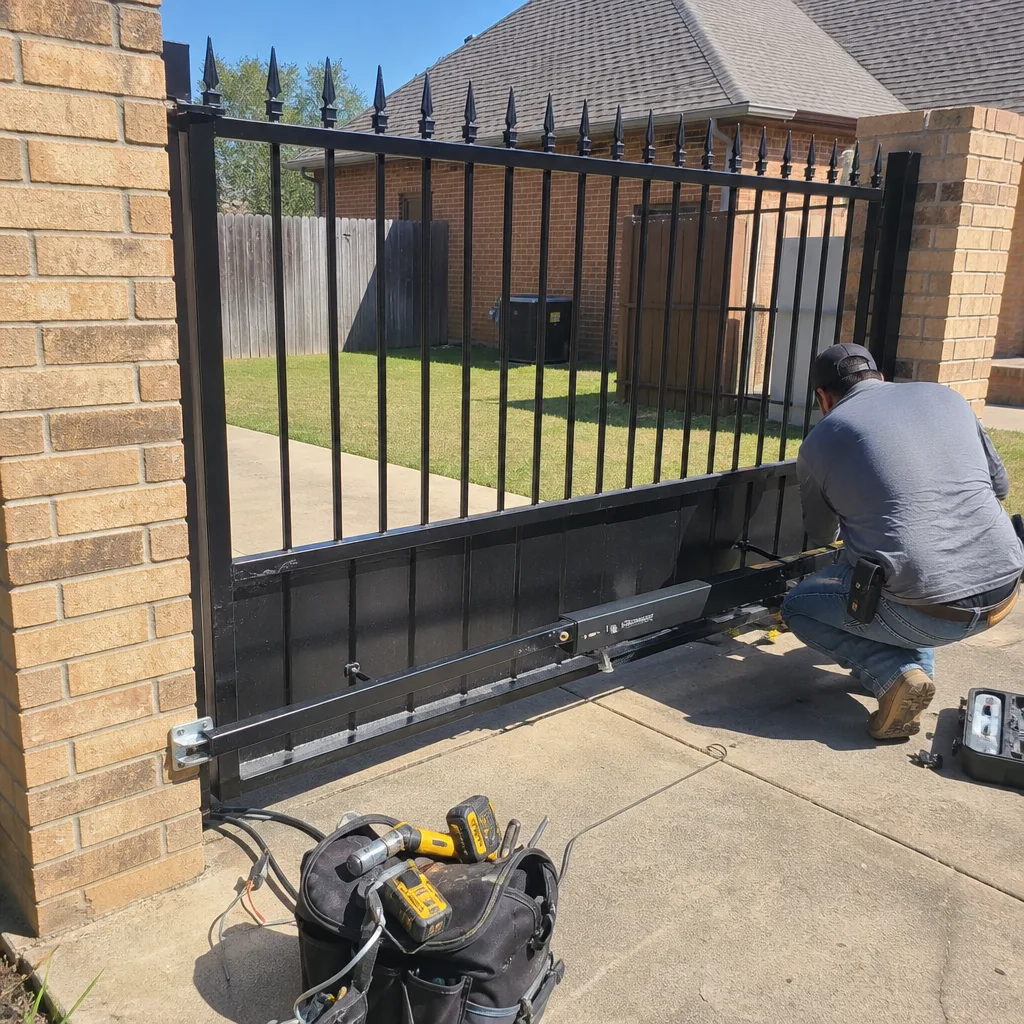 After
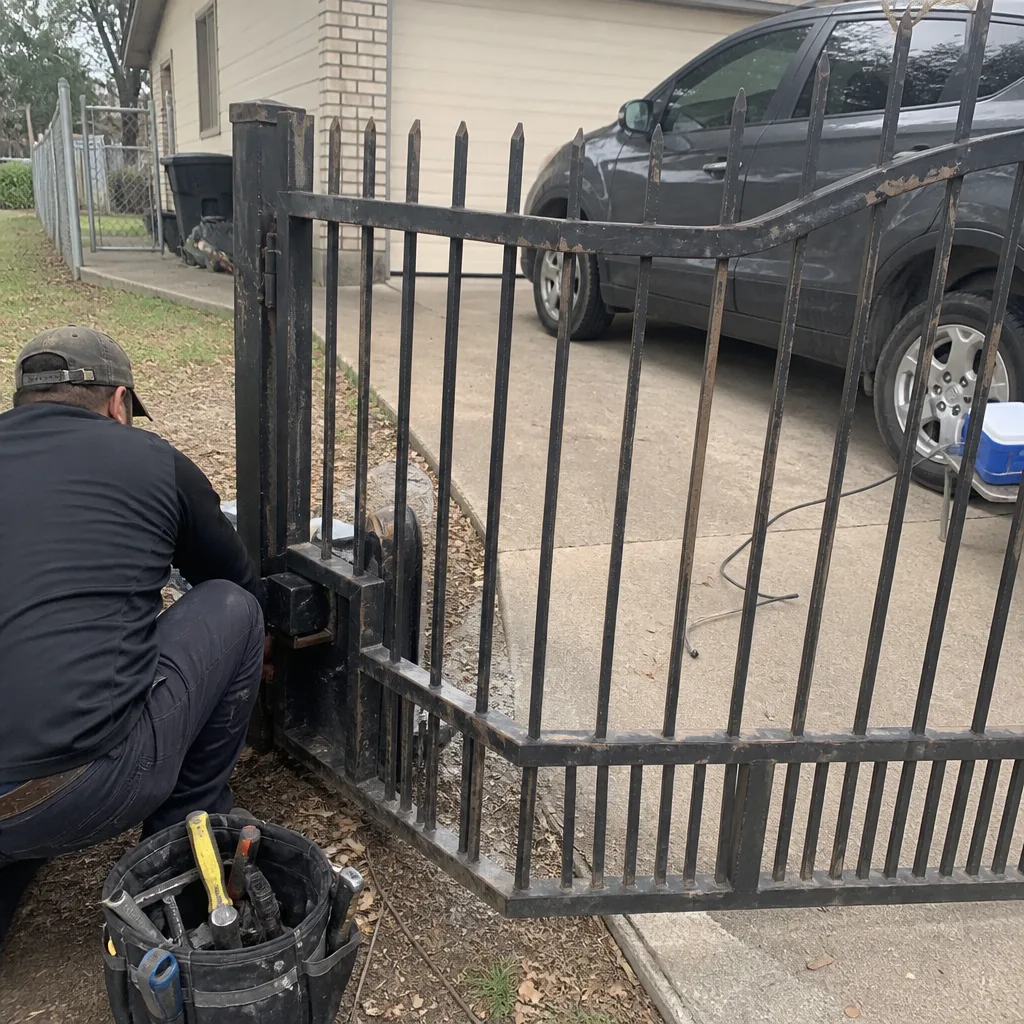 Before
 After