
Last updated October 30, 2026
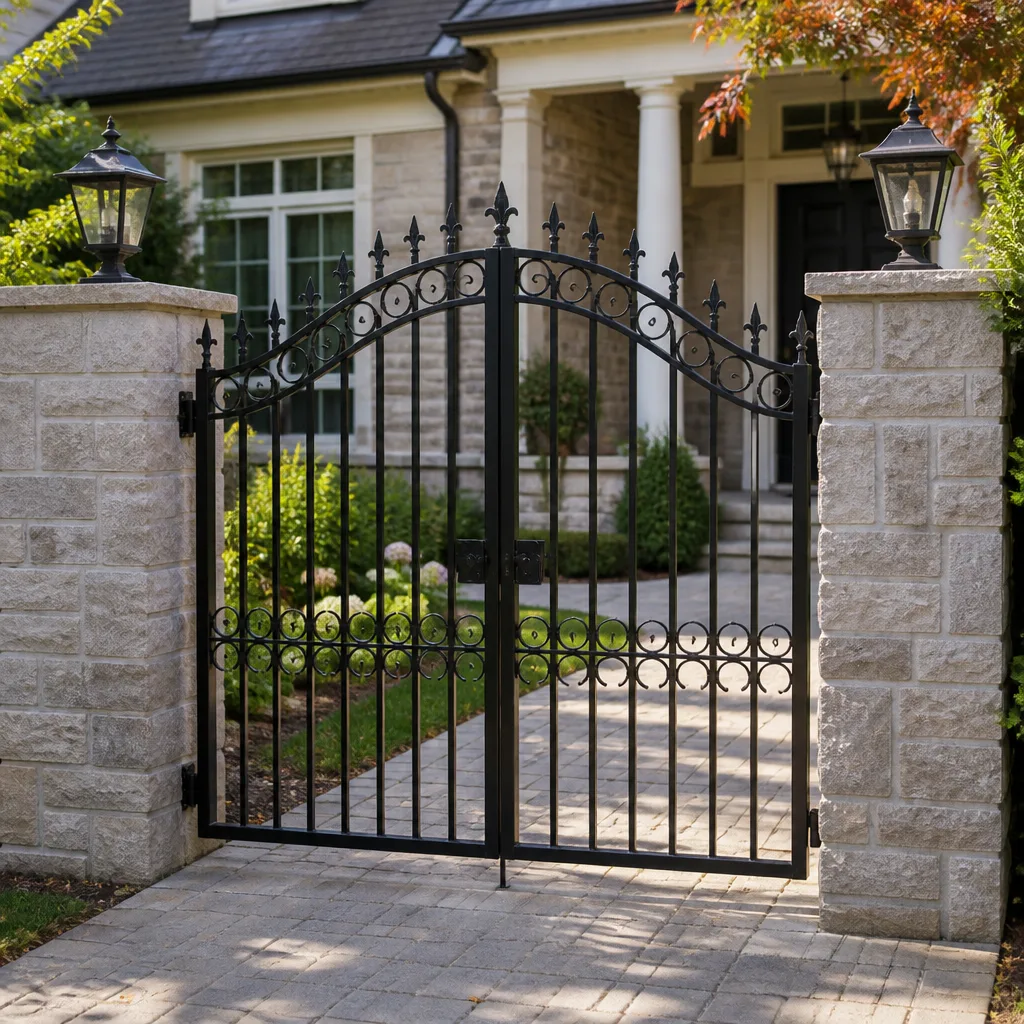 Wrought iron
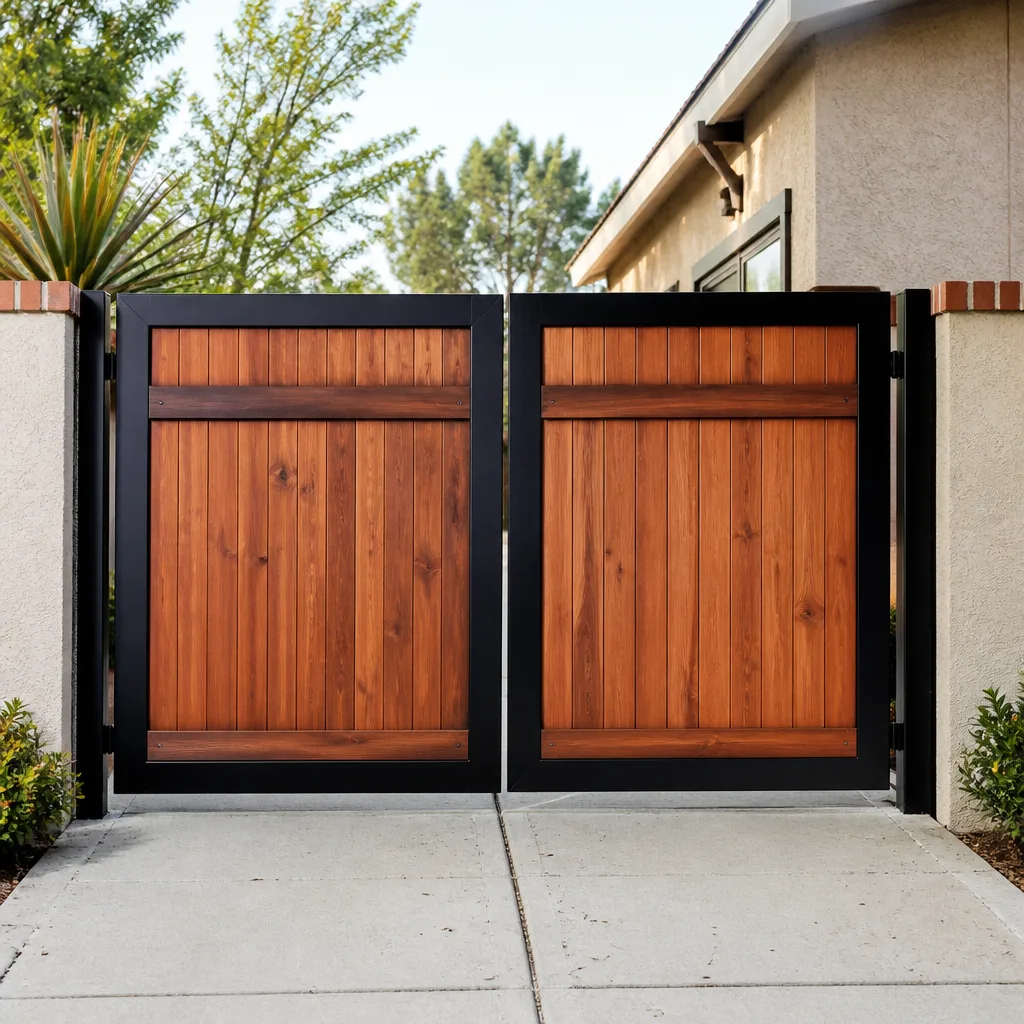 Wood & steel frame
 Farm & ranch
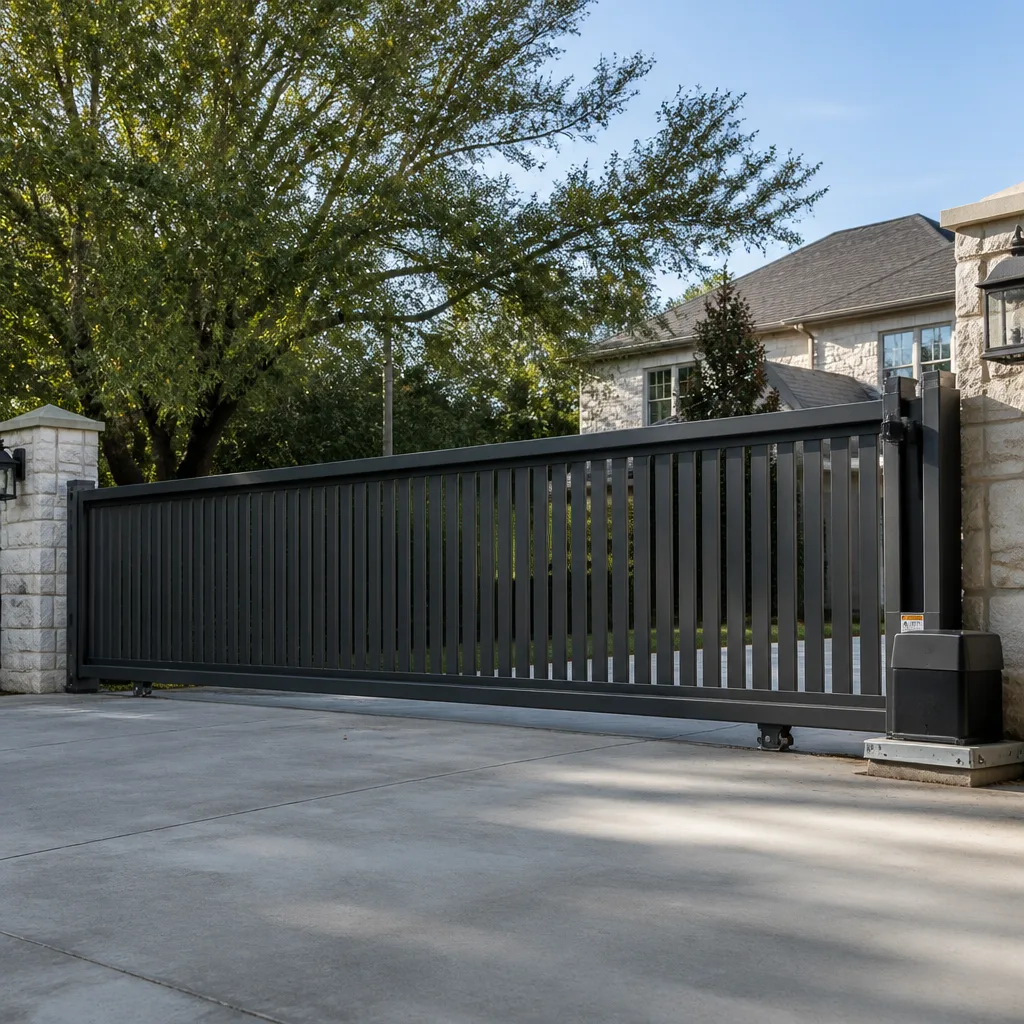 Sliding driveway gates
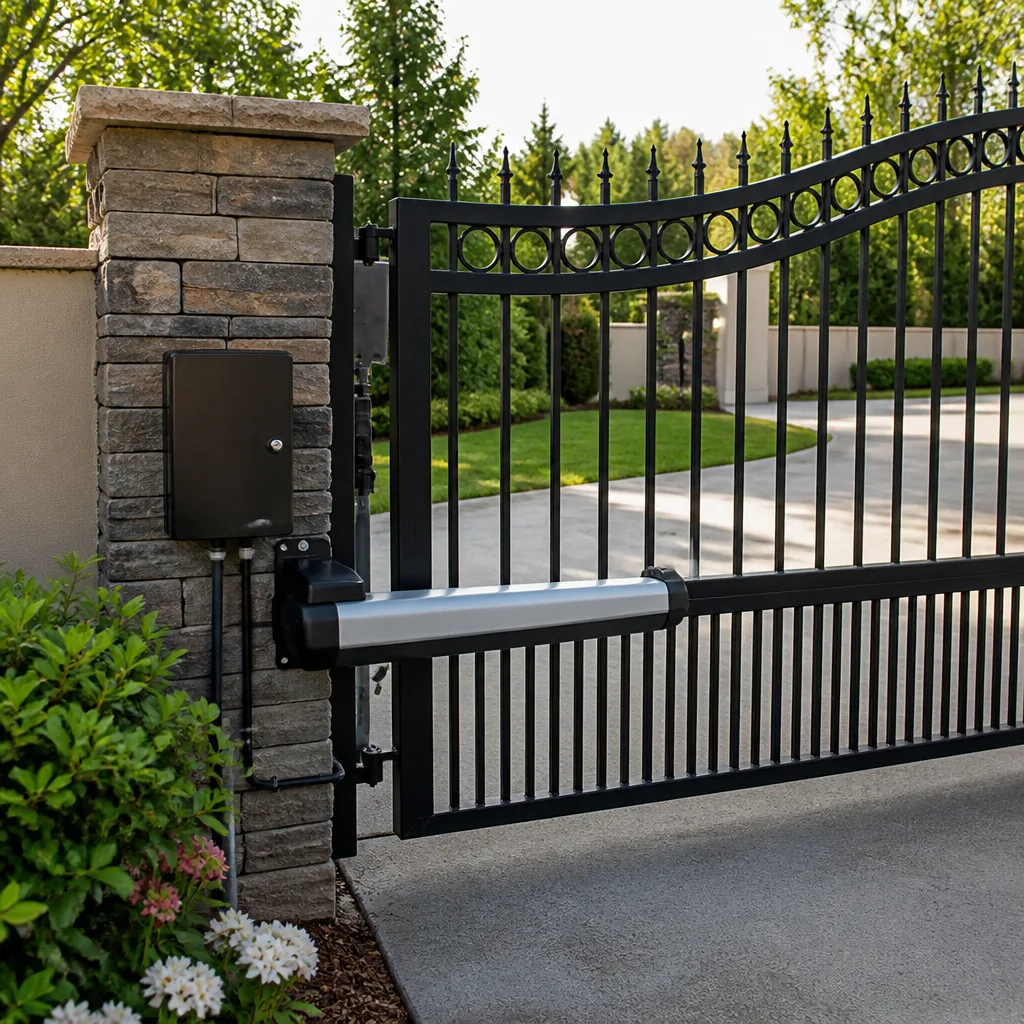 LiftMaster operators
Free on-site gate assessment - hinges, posts, and your LiftMaster or Nice gate operator checked before anything is quoted
The assessment is free and the quote is the invoice.
Get your free estimateThe Complete Guide to Gate Repair in DeSoto
Here’s the thing most homeowners in DeSoto don’t realize until their gate fails: a gate is never just one machine. It’s a system of interlocking components, and when one fails, it takes others with it. A grinding motor isn’t just a motor problem. It’s often a misaligned track that overloaded the motor months ago. A gate that won’t close after a rainstorm isn’t necessarily an electrical fault. In DeSoto, with our clay-heavy soil, it’s frequently a post that shifted and threw the safety sensors out of alignment. This guide—along with DIY vs Professional Gate Repair: The DeSoto Homeowner’s Decision Guide if you’re weighing your options—gives you a working mental model of how gate systems actually fail, so when you call a technician, you’re not starting from zero. You’ll know which of the five root-cause categories you’re dealing with, what the repair should reasonably involve, and when a fix is temporary versus permanent.
Styles & brands we work with
Quick Answer
Gate repair in DeSoto typically involves diagnosing one of five root-cause failure categories: electrical supply issues, mechanical wear, structural foundation shift, sensor or safety loop malfunction, or operator logic board failure. Most residential gate repairs take under half a day once the underlying cause is identified. Our team at Bastion Gate Repair home approaches every call by first identifying which of these five failure modes is active, which prevents the repeat repairs that plague gate owners across DeSoto.
Table of Contents
- The Five Root Causes of Gate Failure in DeSoto
- Root Cause 1: Electrical Supply and Motor Failure
- Root Cause 2: Mechanical Wear and Tear
- Root Cause 3: Structural Shift and DeSoto’s Clay Soil
- Root Cause 4: Sensor and Safety Loop Malfunction
- Root Cause 5: Operator Logic and Control Board Failure
- How to Read Your Gate Operator’s Fault Codes
- Symptom Repair vs. Root-Cause Repair: The Difference Matters
- Predictable Component Service Lives: Plan Ahead
- Common Mistakes to Avoid
- When to Call a Professional
- Frequently Asked Questions
- The Bottom Line
The Five Root Causes of Gate Failure in DeSoto
A gate that reverses halfway, a gate that won’t close after rain, and a gate with a grinding motor are three different problems with three different fixes, but most repair calls treat them all the same way. The technician shows up, adjusts something, the gate works for two weeks, and then the same failure returns. That’s because the underlying problem was never addressed. Over years of diagnosing gate systems across DeSoto, from the newer developments near Westmoreland Road to the older properties off Hampton, we consistently see failures trace back to one of five categories. Learn to recognize which one you’re facing and you’ll save yourself from misdiagnosis, repeat repairs, and inflated quotes.
Root Cause 1: Electrical Supply and Motor Failure
When a gate stops responding entirely, most people assume the motor is dead. That’s the right conclusion maybe half the time. The other half, the motor is fine but it’s not receiving power correctly. A tripped GFCI outlet, a corroded wire splice, or a transformer that degraded after a power surge can all present as a “dead gate.” In DeSoto, we see a particular pattern: homes built before 2005 often have gate power lines that were direct-buried without conduit, and after two decades in clay soil that expands and contracts, those lines crack and short. A motor that hums but doesn’t move is a capacitor failure. A motor that operates but trips its breaker after ten seconds is drawing too many amps, often because a mechanical bind is forcing it to work harder than designed.
Here’s the diagnostic sequence we follow, and you can use it too:
- Check the breaker and GFCI. Reset both even if they look fine.
- Look for visible damage to the power wire where it exits the house or garage.
- Listen at the motor: a hum means power is reaching it. Silence means it isn’t.
- If there’s a hum but no movement, the start capacitor is suspect.
- If the gate moves but reverses or stalls halfway, that’s mechanical load, not electrical supply.
We service electric motors from Elite, Mighty Mule, LiftMaster, and FAAC, and the electrical architecture is similar across brands even when the boards differ. The key insight: a motor failure is rarely sudden. It’s usually the end stage of months of overload from a gate that was binding, misaligned, or carrying extra weight from a bent wheel or sagging leaf.
Root Cause 2: Mechanical Wear and Tear
Every moving part on a gate has a finite service life, and DeSoto’s climate accelerates some of it. Rollers wear out. Hinges sag. Wheels develop flat spots. Chains stretch. Rack teeth strip. The gate itself gets heavier as components degrade, which then overworks the motor, which then fails. When someone says their gate “sounds terrible,” we know what’s happening: metal on metal, usually a worn bearing or a stretched chain slapping against the housing.
Mechanical failures are the most common issue in gate repair in DeSoto, and they’re also the easiest to catch early. A gate that’s properly adjusted opens and closes smoothly with a consistent sound. Any change in that sound profile over a few weeks signals developing mechanical wear. A grinding noise from a sliding gate typically means the V-wheels are worn and the gate leaf is now dragging on the track. A creaking swing gate usually means the hinge bearings are dry or seized. An opener that strains near the fully-open position often means the chain or belt tension is off, which puts lateral load on the motor shaft.
One important thing for DeSoto homeowners to understand: lubricating a noisy gate without diagnosing why it’s noisy can mask a developing problem for a few weeks, but it won’t fix the underlying wear. The noise returns, and by then the component has failed further and taken something else with it. We diagnose, then lubricate as part of the repair, not as a standalone band-aid.
Root Cause 3: Structural Shift and DeSoto’s Clay Soil
This is the failure mode that standard gate repair guides written for other regions simply don’t address. DeSoto sits on expansive clay soils that swell when wet and shrink when dry. That repeated cycle, year after year, gradually shifts gate posts, alters the grade beneath the gate path, and changes the geometry the entire system depends on. A gate that closed perfectly in May might catch or drag by August after a hot dry spell, or by October after fall rains. This isn’t your opener failing. It’s the ground moving underneath it.
We see this most often on driveway gates in neighborhoods with older trees and established landscaping. Tree roots seeking water add to the movement. The result: a gate leaf that sags, a latch that no longer lines up with its receiver, or a safety sensor beam that’s now aimed at the wrong height. When we get a call for a gate that suddenly won’t close after rain in DeSoto, structural shift is the first thing we check, before touching any electrical component. Fixing it usually involves resetting the post in the correct alignment, or adjusting the gate leaf and hinges to compensate for the new geometry. On newer installations, proper post depth and concrete footing through the active soil zone prevents most of this.
Root Cause 4: Sensor and Safety Loop Malfunction
Modern automatic gates are governed by safety systems. Photo-eye sensors detect obstructions in the gate’s path. Induction loop detectors in the driveway sense vehicles and prevent the gate from closing on them. When these systems malfunction, they trigger exactly the same symptom: the gate refuses to move, or it starts and immediately reverses. A homeowner sees this and thinks the operator is broken. Often, the operator is perfectly healthy and the safety system is doing its job or throwing a false fault.
A gate that reverses halfway through its closing cycle is typically a photo-eye issue. Both eyes need a clear line of sight at the correct height, and in DeSoto’s clay-shifting soil, even a quarter-inch of post movement can misalign them enough to trigger a false obstruction reading. Debris, dirt, or spider webs on the lens cause the same fault. A gate that opens but won’t close at all sometimes means the loop detector has failed and the operator believes a vehicle is perpetually present. These are not expensive repairs, but they require a technician who understands the logic, not just someone who resets the breaker and hopes.
For electric gate repair in DeSoto, sensor diagnostics are where we see the biggest difference between us and a general handyman. A handyman will often bypass the sensor to “get it working.” That’s dangerous and also a code violation. Safety systems are not optional accessories. They’re what prevents the gate from injuring someone or damaging a vehicle. We diagnose and repair them properly, never bypass them.
Root Cause 5: Operator Logic and Control Board Failure
The control board is the brain of the gate operator, and it fails in predictable ways. Power surges are the biggest killer, especially in Texas where summer storms roll through regularly. A board that took a surge may work intermittently, may lock up requiring a manual reset, or may lose its programming entirely. Remote controls stop pairing. Limits get forgotten. The gate starts behaving erratically in ways that don’t match any mechanical symptom.
Here’s what to look for before you call anyone: most modern boards, including those from LiftMaster, FAAC, and Mighty Mule, display fault codes as blinking LEDs or on a small digital readout. A board that’s flashing a code is telling you exactly what it sees wrong. It might be a force fault, a limit error, or a communication failure. We’ll cover how to read those codes in a moment, but the practical point is this: control board problems are sometimes board failures, but they’re often the board accurately reporting another component’s failure. Replacing the board without addressing what it’s reporting is the single most common source of repeat gate failures.
We troubleshoot the actual problem rather than defaulting to full board replacement, which saves our customers in DeSoto real money. When a board is genuinely bad, we replace it, reprogram the limits, pair the remotes, and retest the entire safety system. If the board is fine and reporting a real fault, we fix the fault.
How to Read Your Gate Operator’s Fault Codes
Before you call a contractor, take three minutes to check your operator for fault codes. Most modern boards communicate through a small LED or digital display. A solid green light usually means normal operation. A blinking pattern or a number on the display means the board has logged a fault. Here’s the simple process:
- Open the operator cover. No tools needed for most residential models.
- Count the LED blinks or note the number on the display.
- Compare against the code chart printed on the inside of the cover, or in the manual.
- Note whether the code persists after a power-cycle (unplug, wait 30 seconds, plug back in).
- If the gate is physically bound or making odd noises, report both the code and the physical symptom when you call.
A persistent code after a reset usually means a real fault in the sensor, the motor, or the board itself. Because we’re certified familiar with LiftMaster, FAAC, BFT, Linear, Viking, Ghost Controls, DoorKing, Elite, and Mighty Mule systems, we can decode your fault over the phone before a truck is ever dispatched. Knowing your code speeds up diagnosis, which shortens the repair window and keeps the cost down. That’s the real value: you’re not paying a technician to stand in your driveway and read a blinking light.
Symptom Repair vs. Root-Cause Repair: The Difference Matters
Here’s a scenario we see constantly in DeSoto: a homeowner hears grinding from their sliding gate. A technician comes out, lubricates the wheels and track, the noise goes away, and everyone’s happy. Six weeks later, the gate stops moving entirely. The motor burned out, because the grinding was never addressed, only silenced. The wheels were worn, the gate was dragging, the motor was overloaded, and the lubrication masked the symptom long enough for the motor to cook itself. The homeowner now faces a motor replacement that cost four times what a wheel replacement would have cost months earlier.
This is the difference between symptom repair and root-cause repair.
- Symptom repair: the noise stops, the gate moves, but the underlying load problem remains. Temporary relief, compounding damage.
- Root-cause repair: the worn component is replaced, the load returns to normal, and the motor’s service life is preserved.
Our diagnostic process is built around finding the root cause. We don’t just ask “what’s wrong?” We ask “what changed, and what does that change tell us?” Sometimes the cheapest fix is the right one. Sometimes the cheapest fix is the most expensive mistake you’ll make this year. We tell you which is which before any work begins.
Predictable Component Service Lives: Plan Ahead
Gate components don’t fail randomly. Most have reasonably predictable service windows, and knowing them lets you plan instead of react. In DeSoto’s climate and soil conditions, we adjust those windows based on what we observe in the field:
- Plastic drive gears (Mighty Mule, some residential models): 3-5 years typical, shorter with heavy use or misalignment.
- Start capacitors on AC motors: 5-7 years, shorter with frequent power surges.
- Photo-eye sensors: 7-10 years, shorter with ground movement or water exposure.
- Control boards: 8-12 years, shorter with unprotected power supply.
- Steel V-wheels and rollers: 5-8 years, shorter on heavy gates or unsealed tracks.
- Chain or belt drive assemblies: 7-10 years with proper tension, much shorter without.
- Gate leaf itself (steel): 15-25 years with rust prevention, but hinges and weld points degrade faster in humidity.
If your gate is 10 years old and still running its original control board, you’re approaching the window where proactive replacement makes sense, especially if the gate is on a rental property or a security-sensitive entrance. We help homeowners and property managers across DeSoto build a simple maintenance calendar so components get replaced on a schedule, not in an emergency. For anyone considering gate installation in DeSoto, component service lives are part of the conversation before you choose a system, not after.
Common Mistakes to Avoid
- Lubricating a noisy gate without diagnosing the noise. You mask the symptom for weeks while the underlying wear compounds. The noise returns stronger when something fails completely.
- Ignoring post movement because “it still works.” In DeSoto’s clay soil, a post that’s drifting is a problem that gets worse every wet-dry cycle. Early resetting is cheaper than a full gate rebuild.
- Bypassing safety sensors to force a gate closed. This is job-site code for “temporary fix that becomes permanent.” Safety systems exist to prevent injury and vehicle damage. Bypass them and you own the liability.
- Replacing the control board without checking what fault it was reporting. The board often survives. The component it was screaming about doesn’t. A board replacement without root-cause diagnosis means a second repair is coming.
- Using a general handyman for electric gate diagnostics. Automated gate systems require familiarity with safety logic, force settings, and brand-specific programming. Generic troubleshooting often ends in the mistakes above.
- Waiting for total failure before calling. A gate that’s noisy, slow, or reversing is telling you something. Early intervention usually prevents a more expensive component cascade.
When to Call a Professional
You should call a gate specialist when the gate is binding, making noise, reversing mid-cycle, failing to respond to remotes or keypads, or when the operator is showing a fault code that persists after a reset. These are signs that a specific failure mode is active, and guessing at it costs time and money. If the gate is on a commercial property, an HOA entrance, or any location where pedestrian or vehicle safety depends on proper sensor and loop function, do not attempt DIY repairs. The liability outruns the savings. Bastion Gate Repair offers free estimates in DeSoto, call (866) 321-6117 and we’ll diagnose the failure accurately before quoting any work.
Frequently Asked Questions
Gate repair in DeSoto typically runs between $150 and $450 for common fixes like sensor realignment, wheel replacement, or capacitor swaps, while board replacements and motor overhauls range from $400 to $1,200 depending on the system. The cost depends on which of the five failure modes is active and whether the repair is root-cause or symptom-level. Call (866) 321-6117 for an exact quote, estimates are free and the price is agreed before any work starts.
In most cases, yes. We keep common components in stock for the systems we service, including parts for Elite, Mighty Mule, LiftMaster, and FAAC operators. If a control board or motor needs to be ordered, the timeline is typically a few days, and we’ll give you an honest window before scheduling.
In DeSoto, this is usually structural. The clay soil swells after rain and shifts the gate posts or changes the grade under the gate path, which throws off sensor alignment or causes the gate leaf to bind. It can also be a ground-fault in the power line if the wiring is older and un-conduited. We check structural geometry first.
We work on virtually every major gate brand, including LiftMaster, FAAC, BFT, Linear, Viking, Ghost Controls, DoorKing, Elite, and Mighty Mule. If your system isn’t on that list, call us anyway. Brand-agnostic diagnostics means we troubleshoot the actual problem, not a logo on the housing.
A full installation includes removal of the existing gate, proper post setting with concrete through the active soil zone, installation of the new gate leaf, operator mounting, electrical connection, sensor and safety loop setup, remote programming, and a full test cycle. We walk you through each step after measuring your site.
Yes. We handle the complete electric and automated gate system including loop detectors, keypads, phone entry systems, and operator logic. Property managers and HOA decision-makers in DeSoto use us as a single-source provider so they don’t have to coordinate multiple contractors when a gate fails.
The Bottom Line
Gate repair in DeSoto comes down to knowing which of the five failure modes you’re facing: electrical, mechanical, structural, sensor, or logic. Each has different symptoms, different root causes, and different correct fixes. Understanding the difference between a symptom repair and a root-cause repair protects you from repeat failures and inflated quotes. Understanding DeSoto’s clay soil protects you from chasing electrical gremlins when the ground is the real culprit. And knowing your operator’s fault codes before you call anyone makes you a smarter customer. When your gate fails, call a specialist who diagnoses the system, not just the symptom, or explore our Gate Repair services to get started.
Written by the team at Bastion Gate Repair, serving DeSoto since 2012. For more guides & resources, visit our blog.
See the difference
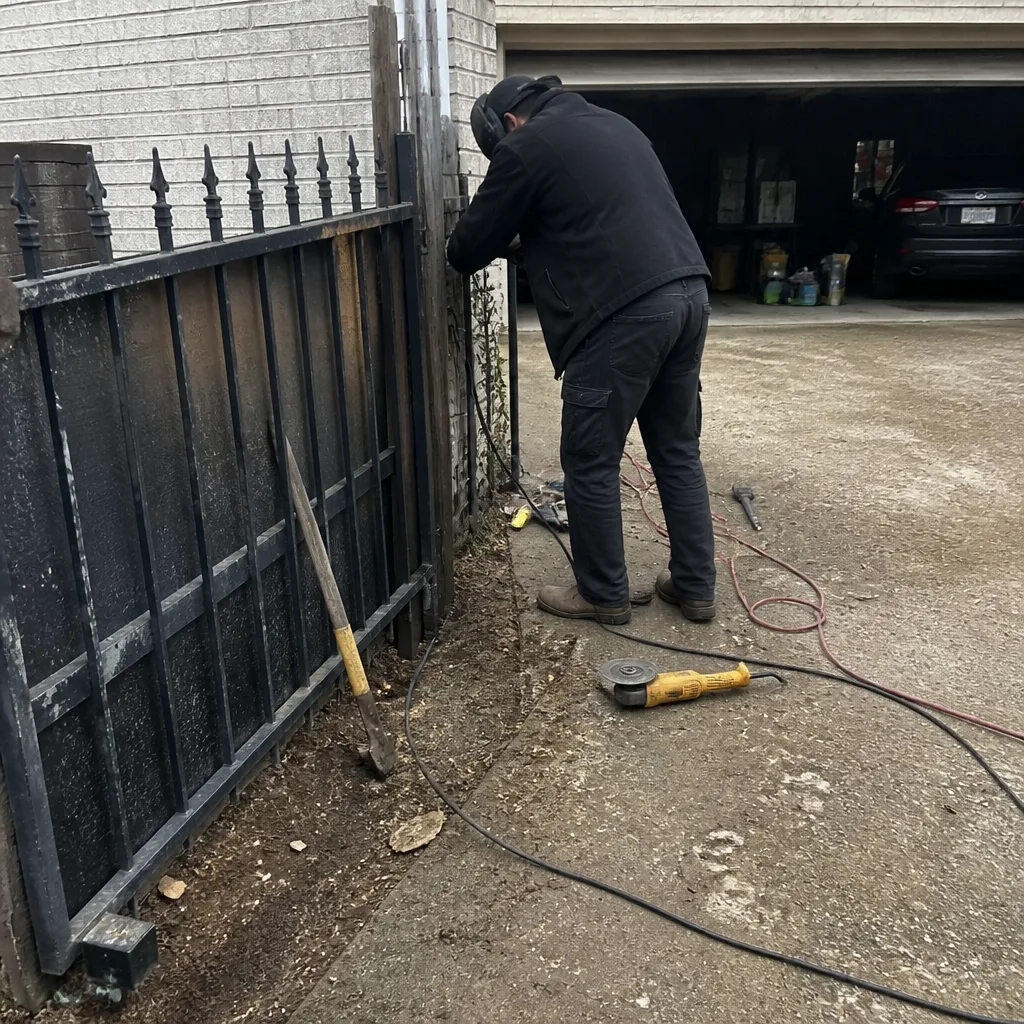 Before
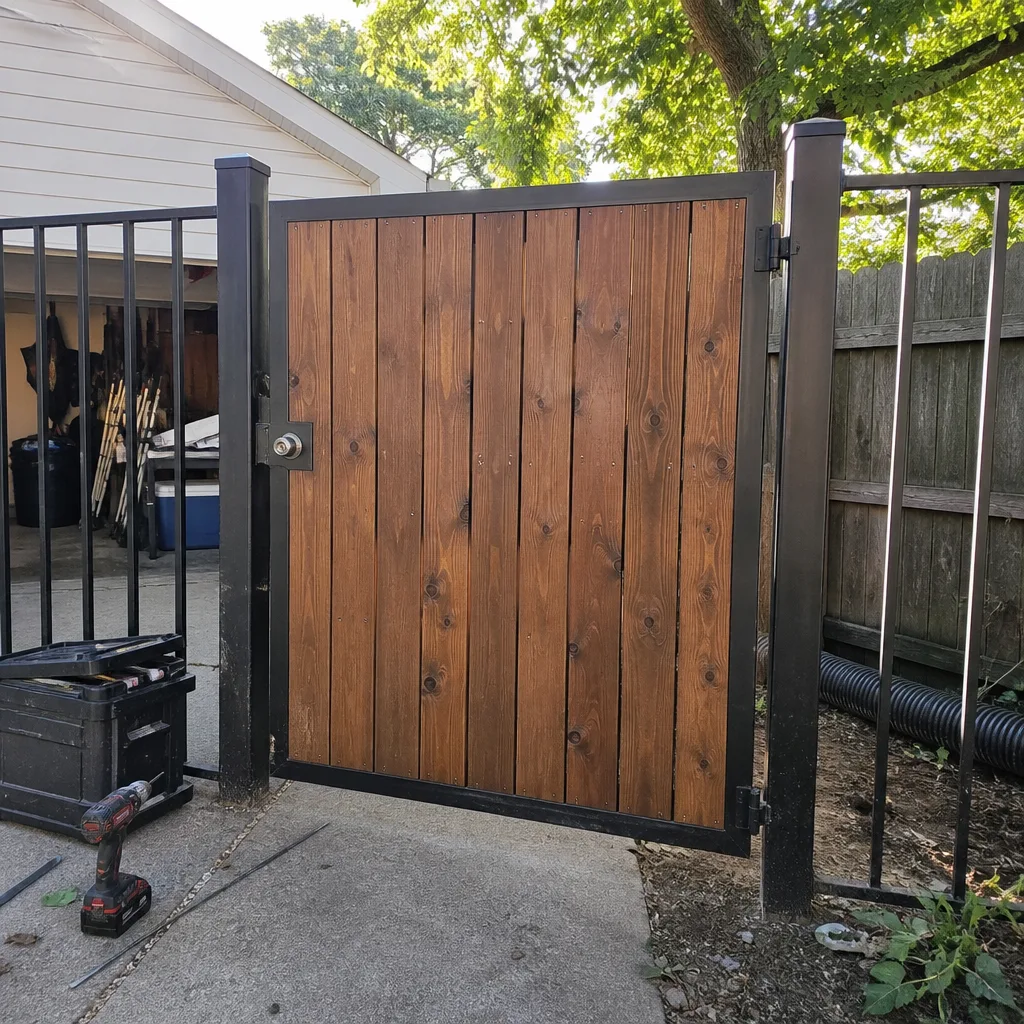 After
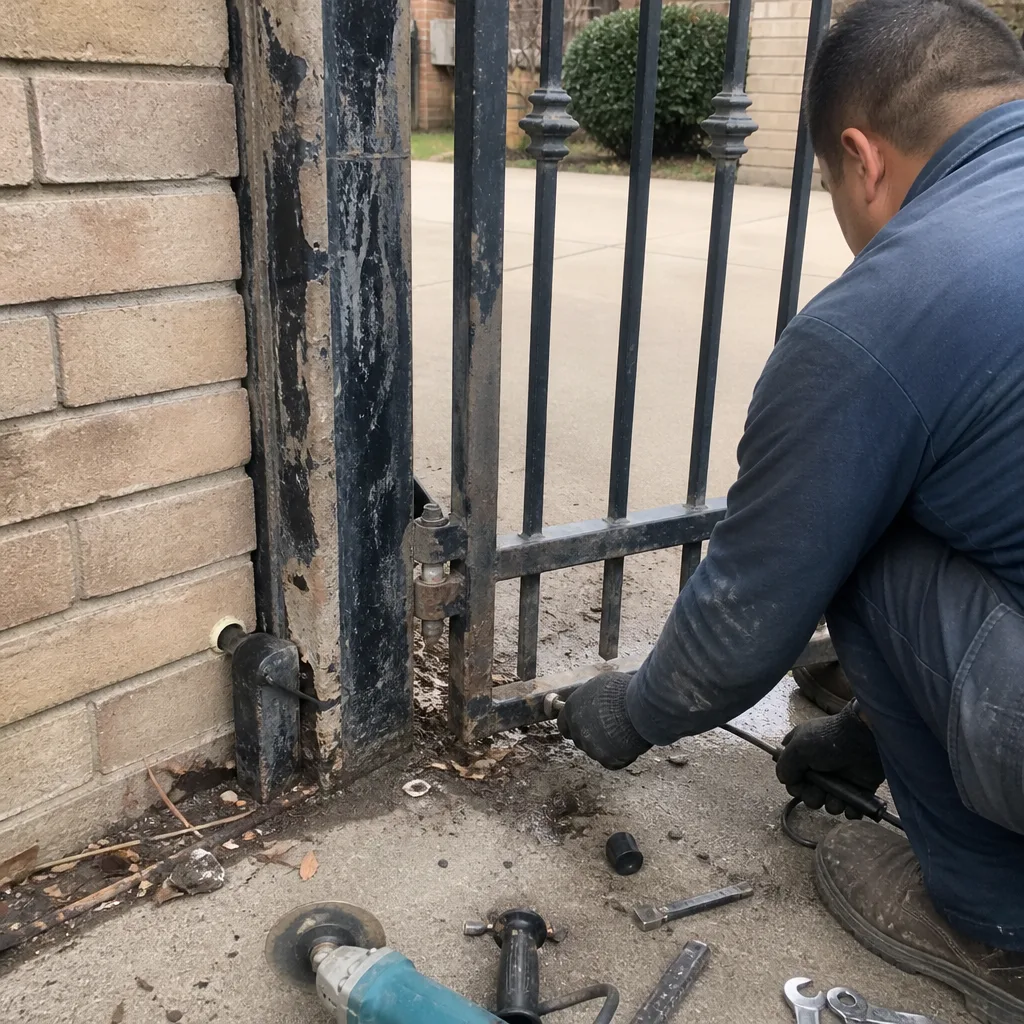 Before
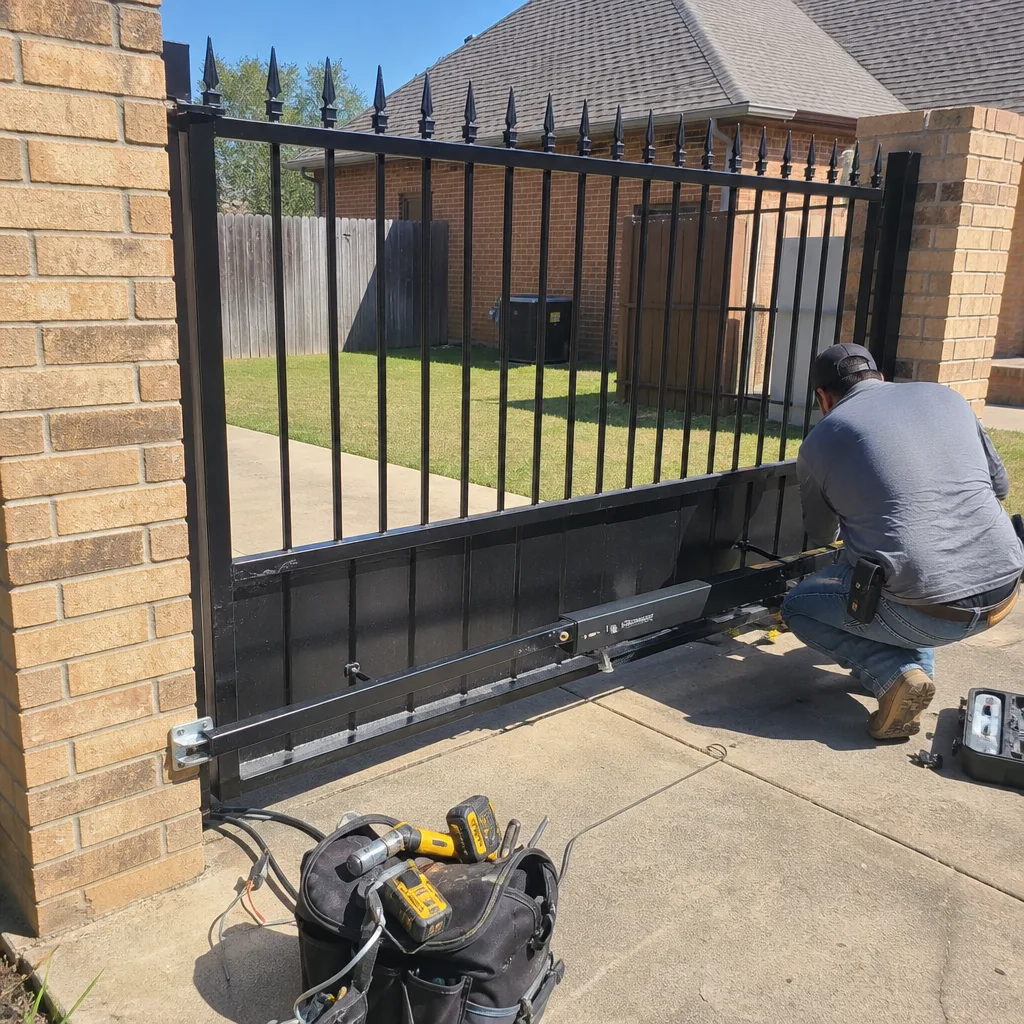 After
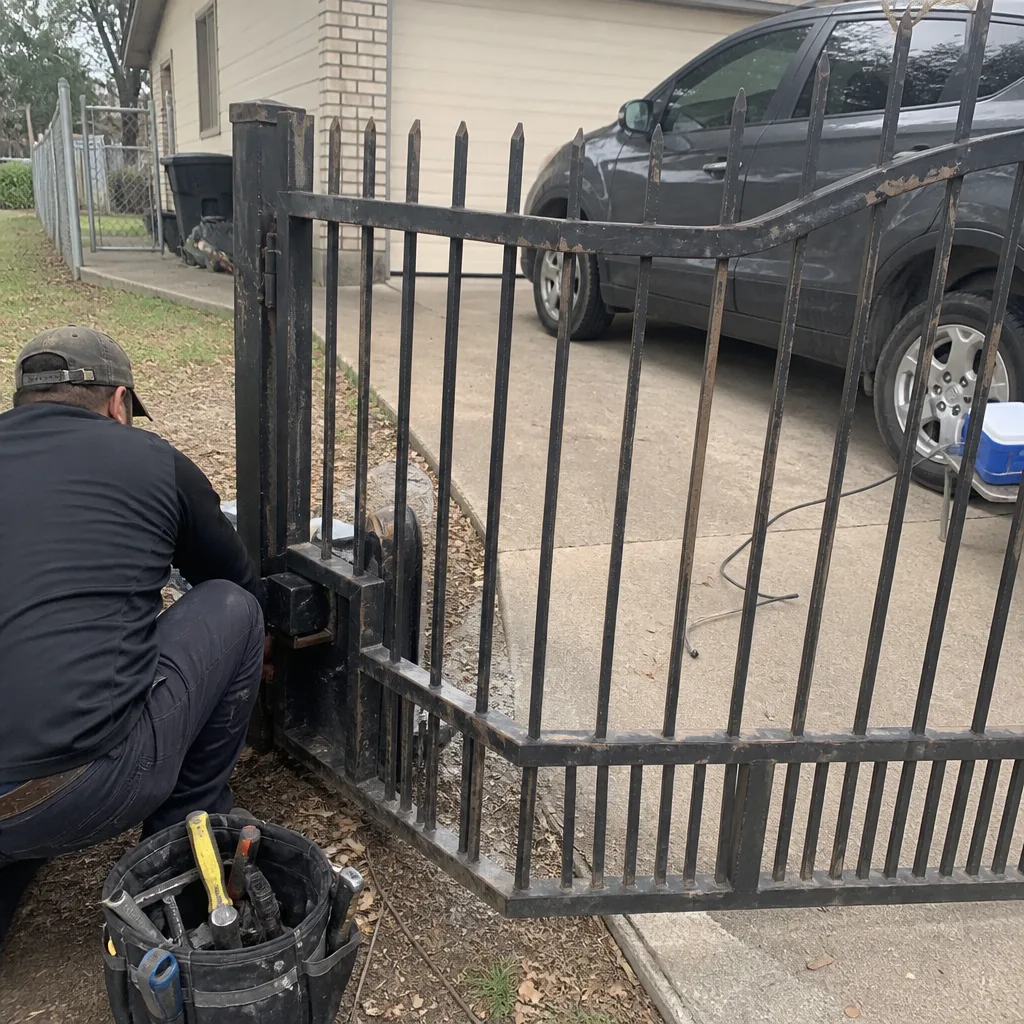 Before
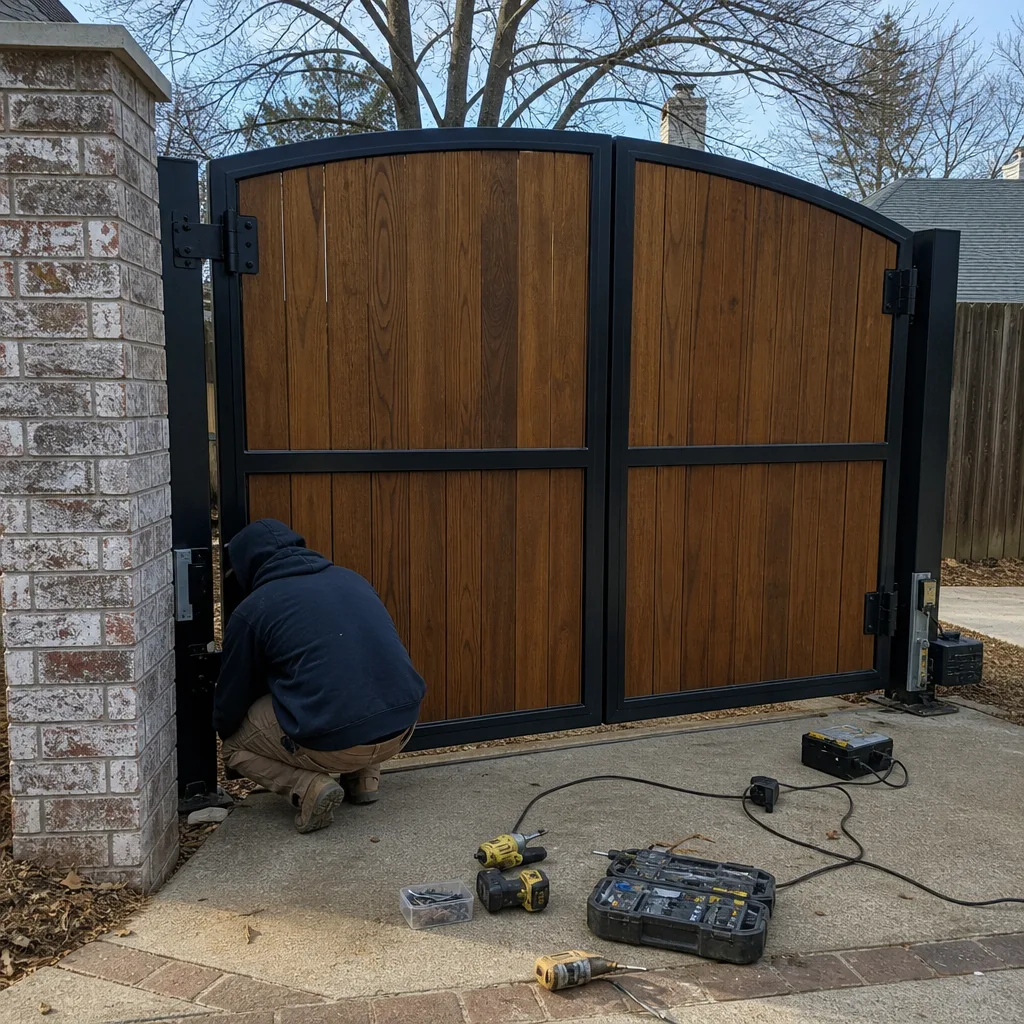 After